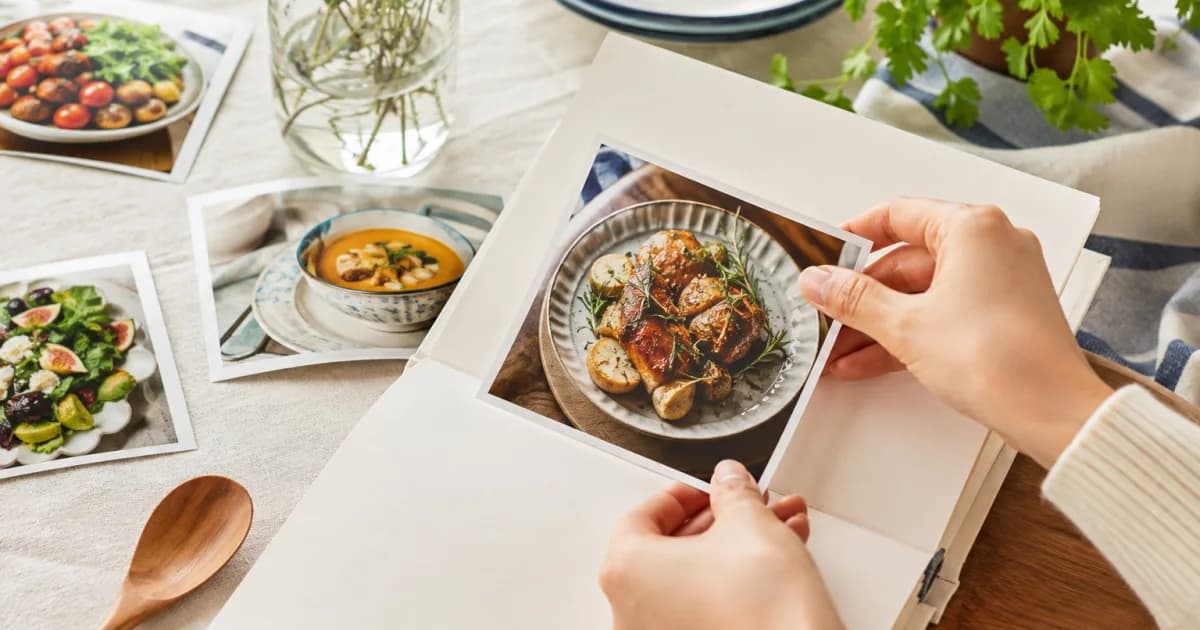
Add a batch name to the dish name
If you make the same dish twice in one week, its name alone may not distinguish the containers. Try “Vegetable dish A / made October 25” and “Vegetable dish B / made October 26.” Each name refers to one preparation batch. Two separately prepared batches remain distinct even when they use the same recipe and look alike once they are portioned into containers.
If preparation, portioning, and placement in the freezer happened on different days, record the dates you know separately. Leave an unknown date unconfirmed. In this log, a date helps explain the history of a particular batch; it does not calculate an expiry date or establish the condition of the food. A clearly dated note is a record, not a decision about whether something is safe to eat.
Connect one batch with its individual containers
An invented editorial example is “Vegetable batch A → containers A-1, A-2, A-3.” Take an overall photo, then give the individual containers names you can recognize. If their sizes differ, describe three containers rather than automatically counting three equal meals. The batch name explains where the food came from; the container name tells you which particular portion the next note is about.
If one container combines food from separate batches, record that relationship explicitly: “Container C: includes vegetable batches A and B.” Its label should correspond to the contents you can identify. When an empty container is reused, give the new contents a new identifier so the earlier history does not carry forward by accident. The same physical box need not mean the same food on a later date.
Follow portioning through to actual use
Name the preparation batch and record the dates you have confirmed for it.
Identify each container, connecting its batch with overall and individual photos and a short note.
On a withdrawal date, name the container actually removed and record whether all or only part was used, as far as checked.
Confirm family members' use with the person involved, leaving unconfirmed withdrawals or quantities visibly unknown.
Count containers you checked, rather than photos
A photo showing two containers today does not establish that only two remain; another might be in a different drawer. Several images from different angles may also show the same container repeatedly. Base the record on the physical containers you checked. Photographs can help identify them, but neither the number of pictures nor the number visible in one frame reliably gives a current remaining total.
Describe partial use within what you actually know. “A-2: some used; remainder not measured” is a complete note. A visual estimate such as “about half” is different from a weight you measured, so retain that distinction. What remains, its condition, and any later storage decision need separate checking; a short withdrawal note should not silently make those decisions on the basis of an estimated amount.
Check which container another family member used
If you share a calendar, ask a specific question such as “Did you use A-1 today?” in a comment. When the person replies, add “Confirmed with family member: all of A-1 used.” That preserves who supplied the update instead of making it look like your own observation. If no reply arrives, leave the question open; silence does not establish that nobody used the container.
For a container whose batch you cannot identify, write “Preparation batch unconfirmed.” Similar color or appearance is not enough to assign it to an older batch. Look for connections you can actually confirm in earlier photos and family notes. If those do not resolve the relationship, keep the gap visible. The record can continue from what you know now without inventing a complete history.
Repeat batch and container names in dated Pogaem notes
Write the batch and container names in the entry for the preparation day, then repeat the relevant names on the day you actually take a container out. You can begin with one calendar such as “Our kitchen” instead of creating a calendar for every menu item. Photos help you recognize the containers; your text connects the preparation batch with the particular later use.
The container list and quantities are records you maintain yourself. Pogaem does not automatically subtract stock or determine freezer storage limits, thawing methods, or whether food is suitable to eat. This article concerns how one preparation batch was divided and later used. Keeping those relationships clear can make the notes understandable without turning a dated food photograph into a food-storage instruction or a live inventory system.
Frequently asked questions
Can I keep one record for the same dish made on different days?
Keep distinct batch names if you want to trace each container to its preparation. The batches can stay in the same calendar with their own confirmed dates and identifiers.
Must I measure what remains after using part of a container?
No. Record the extent you checked. Saying that some was used and the remainder was not measured keeps an estimate from being read as an exact quantity.
Can the recorded date tell me whether the food is safe to eat?
No. These notes connect batches, containers, and use; they do not determine food safety or storage limits. Check appropriate reliable guidance separately for the particular food.