Look around before you lift the camera
Stop somewhere with a wide view of the sky. Look in several directions and overhead, avoiding looking directly at the sun. Estimate how much of the sky you saw was covered by cloud. “About half” or “almost all” works for a personal journal. Then photograph a direction you want to remember.
The World Meteorological Organization defines total cloud cover as the share of the sky covered by all the clouds you can see. You can do this exercise without naming the cloud types. Include thin cloud where you can see it. Where two layers overlap, that patch of sky counts once.
Make one observation you can read back
Note the time and stop where you can see in several directions. Check whether a line of trees or a building hides a large part of your view.
Scan around you and overhead. Imagine gathering the cloudy patches into one part of the sky. Would they fill more or less than half of what you saw?
Frame one part you’d like to keep, perhaps the edge where a cloud bank meets blue sky. Write which way the camera faced. “Toward the field gate” works if you don’t know the compass direction.
Give the wider observation one line and the photograph another. If the wider view was unavailable, describe the part you actually saw.
A cloudy frame on a half-cloudy afternoon
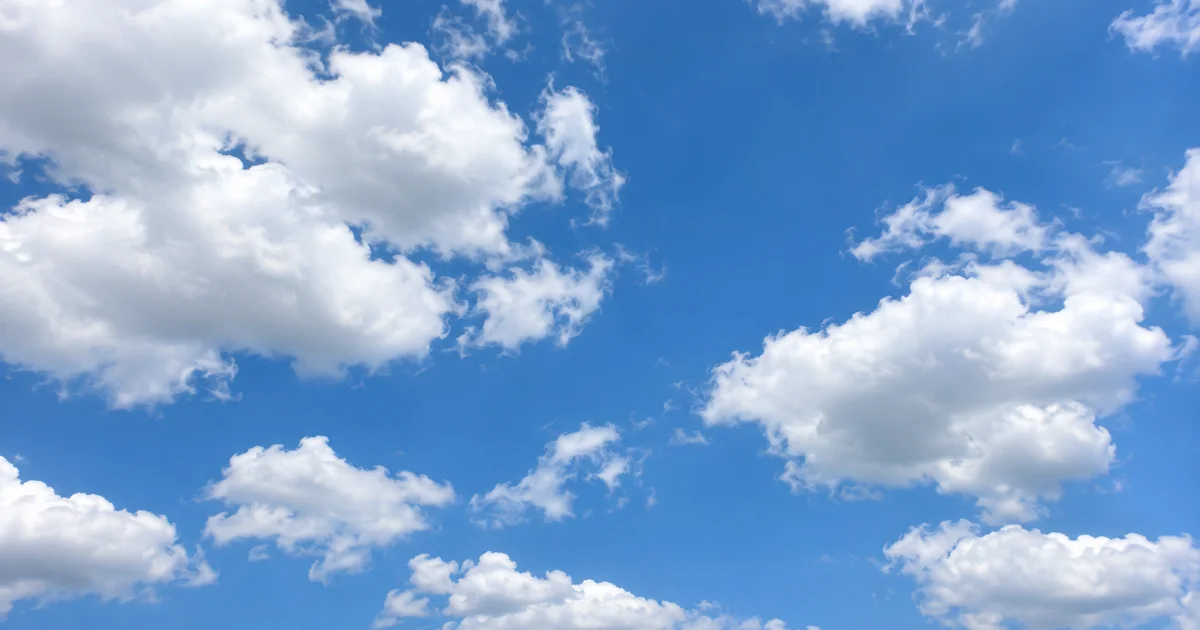
Here is an invented field note. “3:10 p.m., middle of the playing field. Looking around, cloud covers about half the sky. Nearly all blue toward the gate, with a bank of white cloud on the other side. Photo faces the cloud bank.” A reader with only the picture might think the whole sky was covered.
Turn the camera the other way and you could get a frame full of blue in the same spot. There’s no need to average the white areas in the two pictures. The frames cover different portions of the sky, and their views may overlap.
A window view gets a different kind of note
From indoors you might write, “A little cloud in the east-facing kitchen window. Other directions out of sight.” Even if there is no cloud within the frame, you don’t have evidence about the sky behind the building.
If you step outside later, start another observation and give it its own time. A different view in the afternoon leaves the morning note intact. Each tells you where you were and what you could see at that moment.
Save the photograph with its direction
In a Pogaem entry for the date, put a line for “sky I could see” beside one for “camera facing.” When you return to the same place, compare the time and extent of the two views. The notes let you tell which side of the sky held the cloud in each photograph.
Frequently asked questions
Should I count individual clouds?
A single sheet of cloud can cover most of the sky. Estimate the area the clouds cover, regardless of how many separate shapes you can count.
Do I need a percentage?
For a personal observation, “a little less than half” is plenty. If you’re unsure, give a rough range or note which directions you couldn’t see.
Can an old sky photo tell me that day’s cloud cover?
You can describe what is visible in the direction of the shot. Without a wider observation from that moment, leave the total unknown.
Sources
- World Meteorological Organization on total cloud cover and the field of view · Accessed: 2026-11-20